How to Find the Best Wildlife Photography Locations
Wildlife photography isn’t just about having the right camera gear — timing and location make an enormous difference.
To illustrate this, here are two photos taken with the exact same camera at the same location: one in the morning and one in the evening. The difference is dramatic. In the morning there were thousands more birds than later in the day.
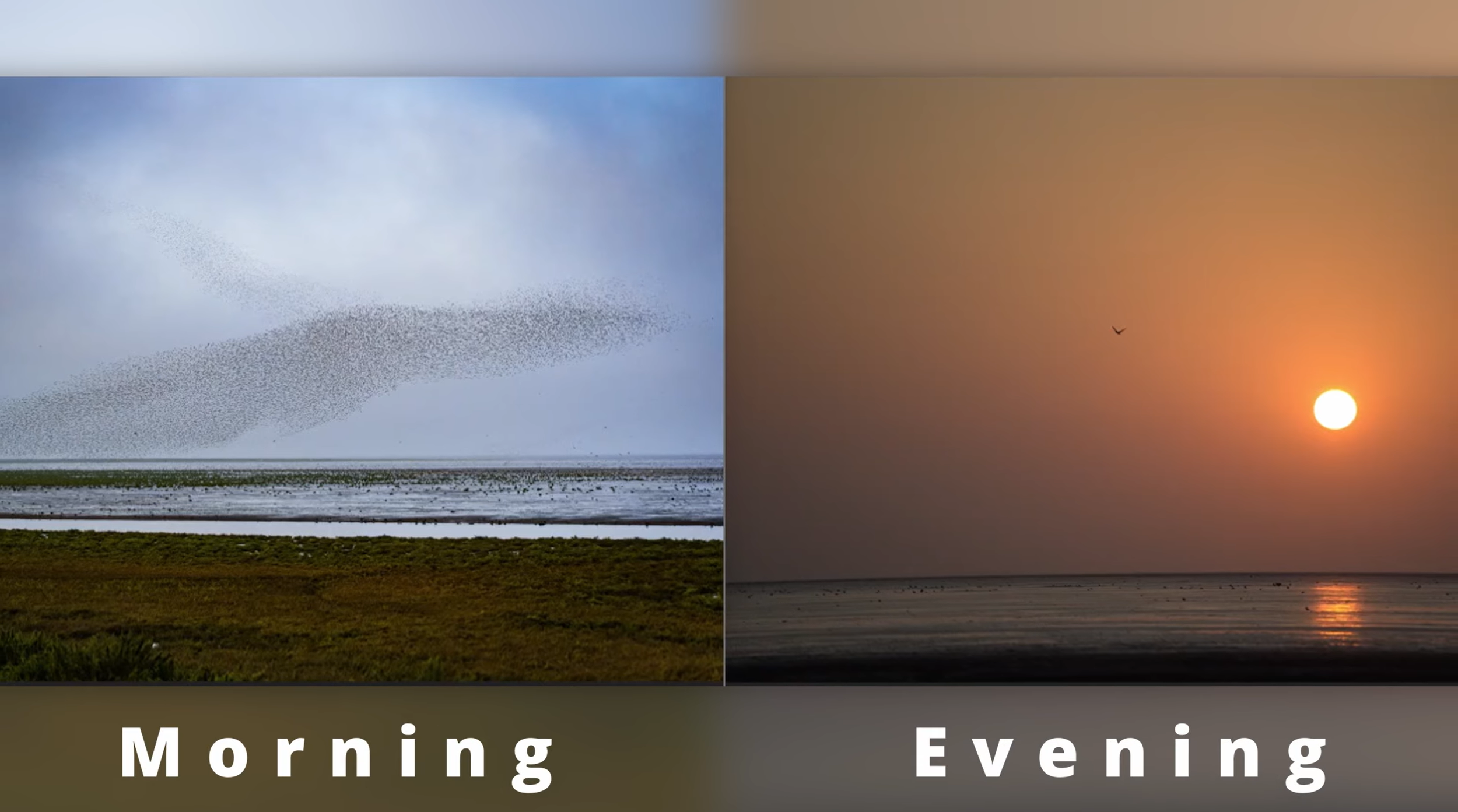
That simple comparison highlights one of the most important lessons in wildlife photography:
Where and when you shoot matters just as much as how you shoot.
So how do you actually find good wildlife photography locations — and once you're there, how do you get close enough for great photos?
1. Start With Reserve Websites
One of the first places most people search when looking for wildlife photography locations is Google.
That often leads you to websites run by conservation organisations such as the RSPB or local wildlife trusts.
For example, the RSPB site for Snettisham Nature Reserve provides more than just directions. It tells you:
Which species can be seen there
When those species are present
Important timing factors that affect wildlife activity
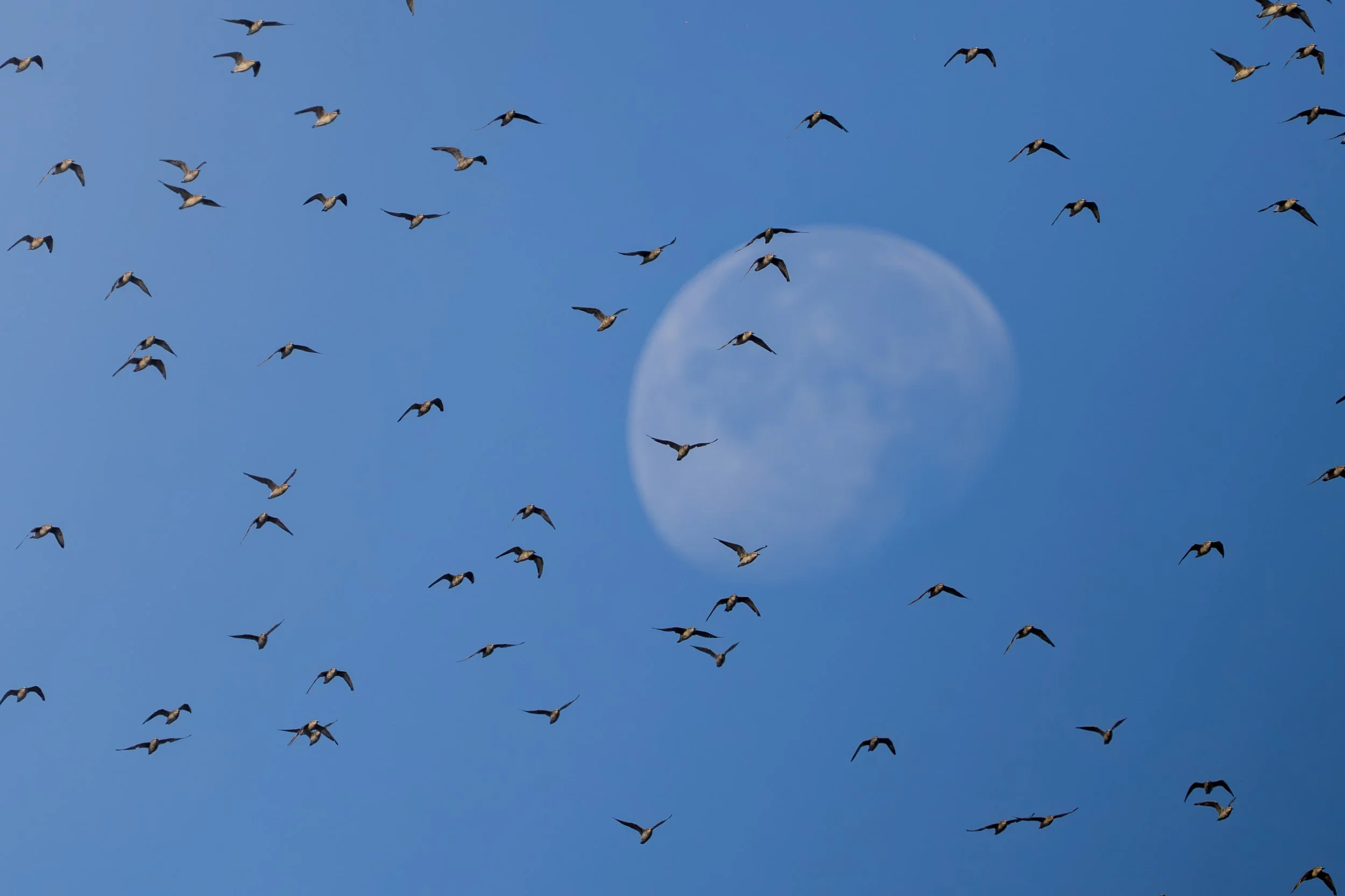
At Snettisham, this timing is critical. The famous bird flocks that gather there only appear during high tides, when wading birds are forced off the mudflats.
Knowing this in advance can completely transform your chances of capturing spectacular images.
2. Use Instagram to See What’s There Right Now
Once you’ve identified a location, social media can help you understand what’s currently happening there.
Instagram is particularly useful for this.
Try searching for the reserve name and then switching to Places. From there, you can browse photos that people have tagged at that location.
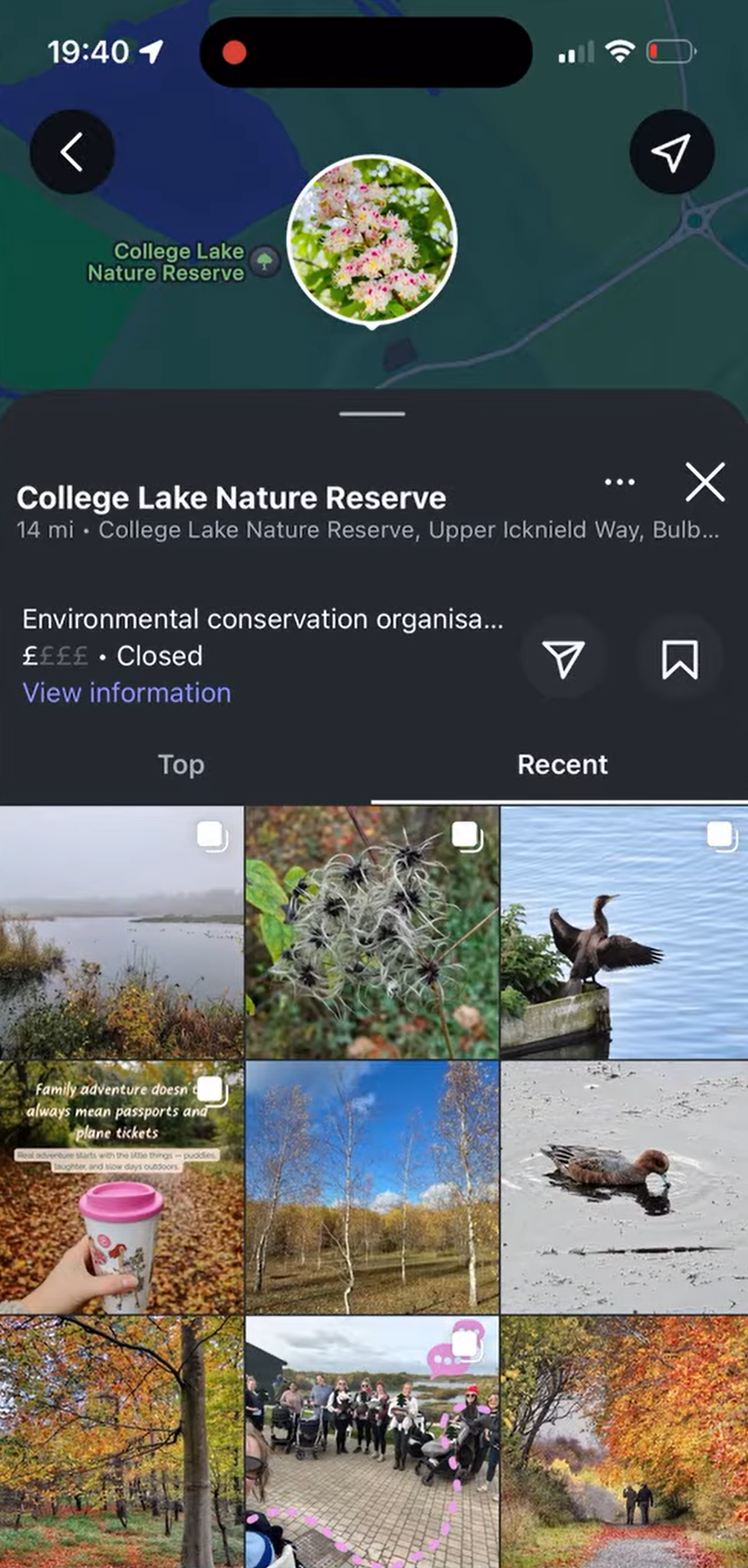
This gives you a quick snapshot of:
What species are currently present
What kinds of photos people are capturing
Whether the site has been active recently
For example, by checking recent posts from College Lake, you might see wintering species photographed just a few days ago.
That’s valuable real-time insight — something that official websites don’t always provide.
The downside is that this method works best at popular locations where lots of people upload photos.
Still, it’s a fantastic way to get inspiration and build a clearer picture of what you might expect to see.
3. Try Flickr for Photography Details
If you want to go a step further, Flickrcan be an incredibly useful research tool.
Many photos on Flickr include EXIF data, which shows:
The camera used
Lens information such as Shutter speed, Aperture and ISO
This can be really interesting from a learning perspective. You can see exactly how someone captured a particular shot and compare it with your own gear.
For example, you might discover that someone captured a great image using nothing more than a smartphone — meaning you could potentially achieve a similar result without expensive equipment.
You can also see examples from famous wildlife photography locations such as Bempton Cliffs, known for its huge seabird colonies.
By studying images from different seasons, you can get a good sense of what species appear and when.
4. Use Wildlife Photography Travel Guides
Another great way to discover new wildlife photography locations is by using travel guides created specifically for photographers.
Many of these guides bring together everything you need to plan a successful trip, including:
The best wildlife locations
When to visit
Photography tips for each site
Information about access and viewpoints
For the past couple of years I’ve have been creating wildlife photography travel guides that highlight some of the best places to photograph wildlife in the UK. These guides combine research, personal experience, and photography advice to help you get the most out of each location.
You can explore them here:
Unlike a simple Google search, these guides focus specifically on photography opportunities, helping you find places where you’re most likely to come away with great images.
They’re also a great starting point if you’re planning a wildlife photography trip and want to discover new reserves, landscapes, and species to photograph.
5. Talk to People at the Reserve
One of the most underrated ways to find wildlife is simply talking to people.
Reserve wardens and rangers often have incredible knowledge about what’s happening locally.
At Bempton Cliffs, for example, wardens can point you to the best spots for specific species. While thousands of gannets nest there, puffins are much harder to locate — and the wardens know exactly where to look.
If a site doesn’t have wardens, dog walkers and local visitors can be surprisingly helpful too.
In fact, one of my favourite wildlife experiences came from a tip-off from a neighbour walking their dog. They mentioned a barn owl hunting nearby, which allowed me to photograph it regularly during lockdown.
Sometimes the best wildlife leads come from simple conversations.

6. Choose the Right Time of Year
Wildlife photography is heavily influenced by seasonality.
Different species appear at different times of year:
Migratory birds arrive and leave seasonally
Some animals are only active during breeding seasons
Plants and habitats change dramatically throughout the year
This is where platforms like Instagram and Flickr are helpful again — because they include timestamps.
If you see a particular species photographed in June or November, that’s a strong indicator of when it’s most likely to appear.
Many reserves also advertise major seasonal wildlife events on their websites, which can be worth planning a trip around.
7. Shoot Early or Late in the Day
Time of day is just as important as time of year.
Generally, morning and evening are the best times for wildlife photography.
There are two main reasons for this:
Better light
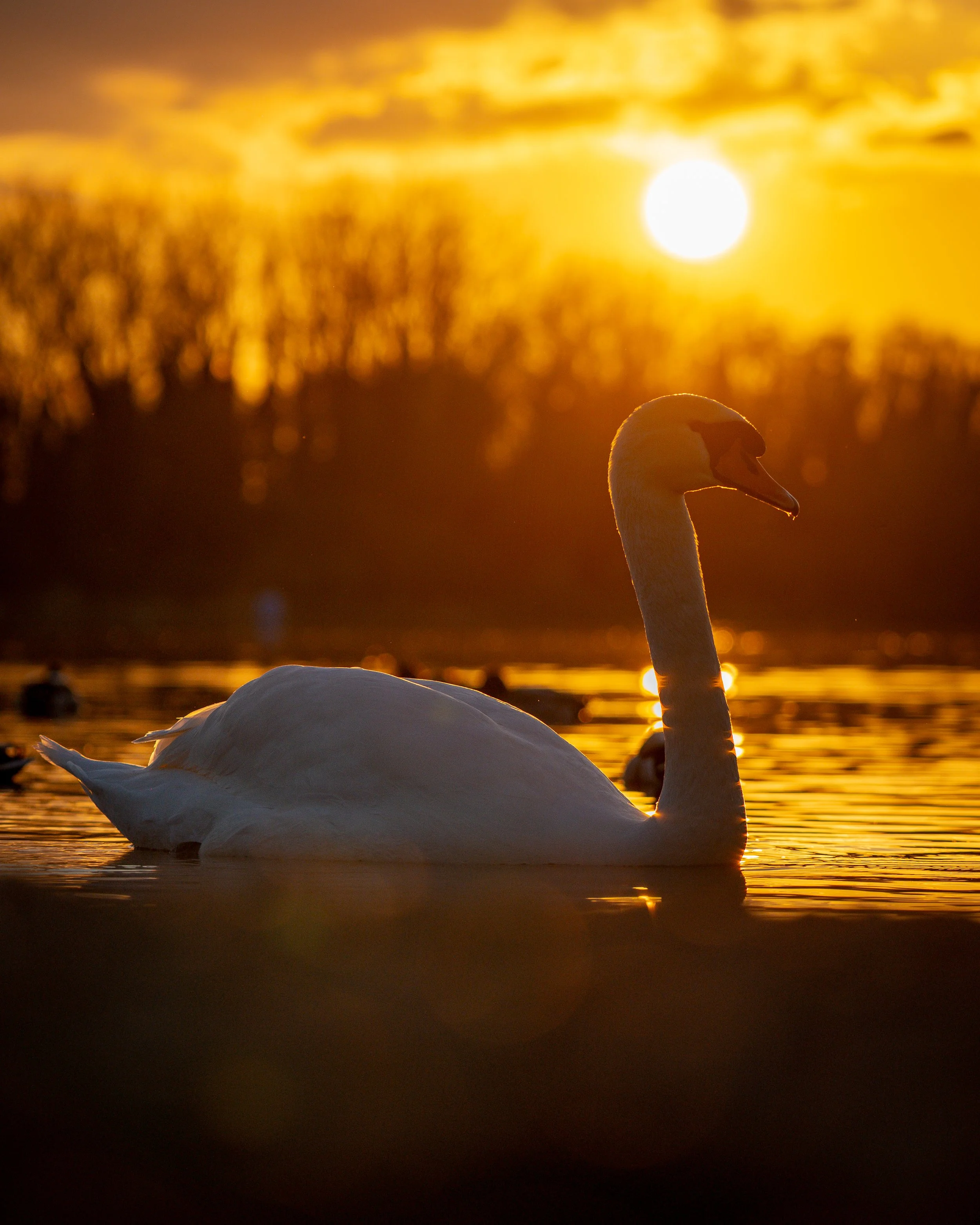
Early morning and evening provide golden hour lighting, which creates softer colours and fewer harsh shadows compared to midday sunlight.
More animal activity
Animals are often more active during these periods, especially when they are feeding after they have just woken up.
If you arrive early, you’re much more likely to capture behavioural shots rather than animals sleeping in the midday sun.
Early visits also tend to be quieter, meaning wildlife is less disturbed by crowds.
Final Thoughts
Wildlife Photography is about so much more than the final click of the shutter.
It’s about:
Researching locations
Understanding timing
Learning animal behaviour
And being patient in the field
By combining tools like reserve websites, social media, and local knowledge, you can dramatically improve your chances of finding and photographing wildlife. Hopefully saving you loads of time and effort in the long run as well as giving you access to the best hobby in the world!
